

Pulp Packaging Perth: A Buyer's Guide for Food Businesses
, by Paul Slee, 8 min reading time
, by Paul Slee, 8 min reading time
A practical guide to pulp packaging in Perth. Compare sugarcane bowls, plates and clamshells, learn when to use each, and where Value Pack fits.
If you run a cafe, food truck or catering business in Perth, chances are you've been asked more than once whether your takeaway containers are compostable. Pulp packaging is one of the most common answers to that question, and it's worth understanding properly before you commit to a supplier. This guide covers what pulp packaging actually is, the main formats available, and how to choose the right ones for the way you serve food.
At Value Pack we group most of these products under our pulp packaging Perth range, which covers sugarcane-based bowls, plates, clamshells and trays. Below we'll break down the differences so you can order the right thing the first time instead of guessing.
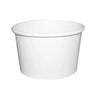
Pulp packaging is made from plant fibres pressed into shape. The most common material you'll see in the food industry is sugarcane pulp, also called bagasse. Bagasse is the fibrous material left over after sugar is extracted from sugarcane. Instead of being discarded, it gets moulded into bowls, plates, trays and clamshell containers. Bamboo and wheat straw fibre are sometimes blended in too, but sugarcane is the workhorse of the category.
The appeal for food businesses is straightforward. Pulp products are typically compostable, they hold up to hot and oily food better than plain paper, and they have a clean, natural look that customers associate with doing the right thing. If you want that look to carry your logo, branded packaging for Perth CBD venues can be printed on the same pulp formats. They're also microwave and freezer friendly in most cases, which plain plastic and foam can't always claim.
A few things worth knowing before you assume pulp solves every problem. Compostable does not mean it breaks down in your kerbside bin or a landfill in any useful timeframe — most pulp packaging is certified for commercial composting, which needs the right facility. In Perth, that means checking what your council or waste contractor actually accepts. It's still a genuinely better material than foam, but be honest with your customers about what happens after the meal rather than overpromising.
Pulp comes in a handful of core shapes, and picking the right one comes down to what you're serving and how it travels.
A common mistake is trying to make one product do everything. A flat plate is cheap and looks good, but if you send a saucy curry out the door on one, you'll get complaints and refunds that cost far more than the few extra cents a proper bowl would have. Match the shape to the food, not to whatever's cheapest that week.
Pulp isn't automatically the right call for every situation. Here's how it stacks up against the other materials you'll be weighing.
Pulp vs plastic: Plastic is cheaper and lets customers see the food, which matters for salads and cold display items. But it's not the compostable, natural-look option, and more Perth customers now actively prefer eco packaging. If your brand leans into fresh, local or health-focused, pulp reinforces that. If you're selling cold pre-packed items where visibility sells the product, clear plastic or PET might still win.
Pulp vs foam (polystyrene): This one's easy. Foam is being phased out under WA's single-use plastics bans, and it looks dated. Pulp is a direct, better-performing replacement for the old foam clamshell. If you're still using foam, switching to pulp is the obvious move before regulation forces your hand.
Pulp vs coated paper board: Both are paper-fibre based and both are good for hot food. Board containers (like kraft boxes) often suit dry items — noodles, rice, chips, baked goods. Pulp bowls handle wet and saucy food better because of the moulded shape and depth. Many Perth businesses use both: kraft boxes for the dry stuff, pulp bowls for anything with liquid.
When you're comparing options, run through this quick checklist:
Getting sizing right is where a lot of first-time buyers slip up. Order too small and food spills over the edge; order too large and you're paying for empty space and struggling to seal lids. A few practical pointers:
Test before you commit to a big order. Pulp comes in a range of capacities. Portion out your actual menu items into different sizes before you buy a case of thousands. What looks generous on a spec sheet can be tight once you've plated a real serving.
Match your lids to your bases. If you're using bowls that need separate lids, make sure the lids you're buying are designed for those exact bases. Mismatched lids are the single most common ordering error, and they lead to leaks and wasted stock. Clamshells sidestep this problem entirely since the lid is attached.
Think about your storage space. Pulp products are bulkier than flat-pack plastic. If you're a small cafe or a food truck with limited storage, work out how many cases you can realistically hold before ordering three months' worth. Buying in bulk saves money, but not if you've got nowhere to put it.
Buy where you can restock fast. Running out of your main takeaway container mid-service is a genuine problem. Working with a Perth-based wholesaler means you're not waiting on interstate freight when you're down to your last sleeve. Local supply and quick turnaround matter more than most people realise until they've been caught short on a Friday lunch rush.
A few patterns come up again and again with businesses new to pulp packaging:
We supply Perth cafes, restaurants, bakeries, food trucks and caterers with packaging that's built for the way they actually trade. Our pulp range is chosen to handle real food service — hot, oily, saucy meals that need to survive a delivery trip, not just look good on a shelf. Because we're local, you're ordering from people who understand the WA regulatory landscape and can get stock to you without the long interstate wait.
If you're weighing up sizes or unsure which format suits your menu, that's exactly the kind of thing worth working out before a big order rather than after. Bowls for the wet stuff, clamshells for delivery, plates for functions, trays for combos — get the mix right and your packaging quietly does its job without you thinking about it again.
Ready to sort your pulp packaging? Browse our full pulp packaging Perth range at valuepackperth.com.au and get set up with containers that hold up to whatever your kitchen sends out.